
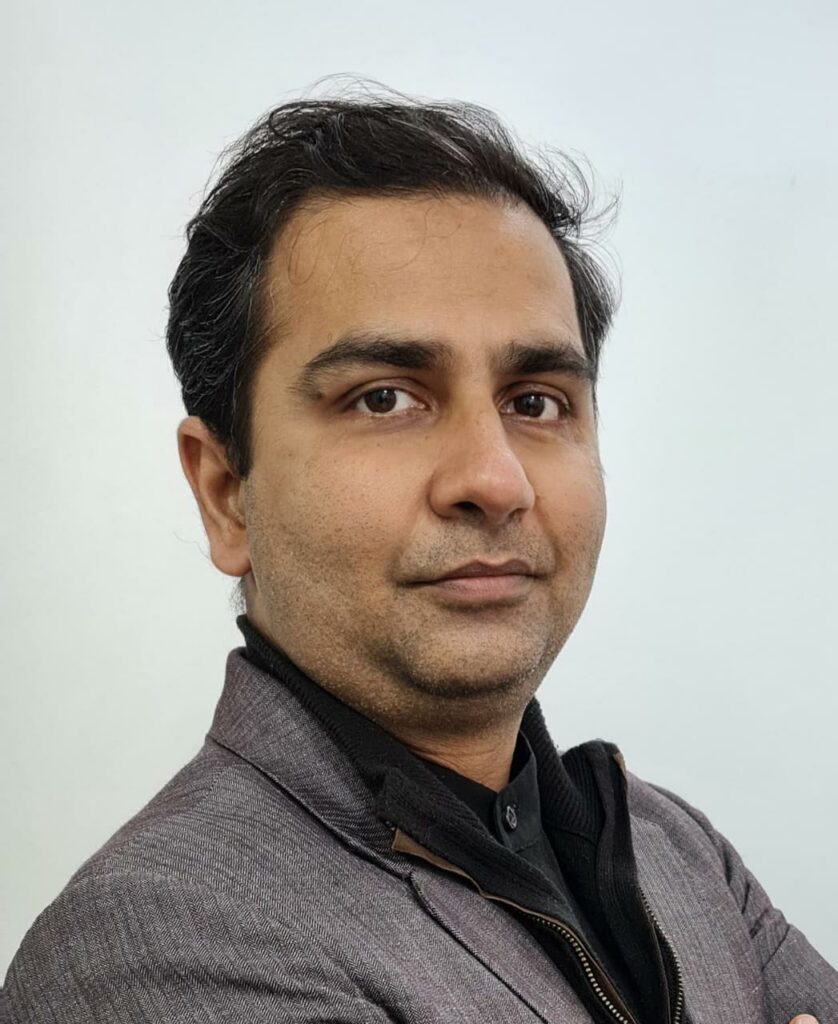
MS , Mch Surgical Oncology.
The word cancer invariably evokes fear and hopelessness. This is because of both lack of information as well as associated myths and taboo. There is no denying that diagnosis of cancer literally blindsides patients and their families for whom this news is perceived no less than a death sentence. But this helplessness need not exist if together all stakeholders collaborate. This collaboration should firstly include dissemination of correct information so that there are no information voids which act as fertile spaces for growth of myths, taboos and unfounded fear. Well informed citizenry takes responsibility of their health and therein is created the right atmosphere for screening. Adequate medical facility and an ecosystem which encourages citizens to seek early medical attention are the bed rock on which strategies to defeat cancer will be built.
November is cancer awareness month for certain dreaded cancers such as Stomach, pancreas and lung. Anti smoking campaigns have now started to bring discussions on Lung cancer into our family tea time which will no doubt increase awareness about this dreaded disease. On the contrary despite the fact that stomach cancer exists in epidemic proportions in Jammu Kashmir & Ladakh there is very less “general” information on it outside of OPD consultation chambers. To truly address a problem of this scale and dread it is very important that relevant discussions happen on media platforms which cast a wide net in our society.
In Jammu Kashmir stomach cancer has epidemic proportions due to the “perfect mixture” of certain dietary habits, lifestyle choices and weather conditions. “cancer belt” is a geographical region extending from Iran in the west across Afghanistan, north west Pakistan, north India and extending across the Tibetan plateau onto western china. This region has a disproportionately high number of stomach cancer patients. Cold weather has resulted in peculiar dietary choices (pickling; smoked meat; hot beverages) as well as lifestyle choices (high levels of tobacco smoking & alcohol intake) which together create a toxic cocktail resulting in higher incidence of stomach cancer. Lack of fresh fruits and vegetables in modern urban diet unfortunately makes the lower socioeconomic class highly vulnerable to stomach cancer. Finally a disrupted medical infrastructure which is not geared up to meet the needs of these patients adds fear, hopelessness and fatalistic outlook to this depressing picture.
While we work to tackle this menace it is important that collaboration happens at all levels. Stakeholders are not only the patient & their kin, hospitals, doctors but an equally if not more important role is to be played by media, intelligentsia, school teachers and society in general.
To make the general public aware about safe pickling methods (to reduce exposure to nitrites) and avoiding traditional “smoked meat” (nitrite exposure) along with sipping warm beverages instead of “boiling” hot beverages is a small but very significant intervention which has to be co-ordinated at multiple platforms. These platforms would include text books, cartoons, grocery packaging, print and TV media. Equally important is the anti-smoking campaigns clubbed with stress on increasing intake of fresh fruits and vegetables (anti-oxidant intake).
Next important link is to inculcate “active” health choices such as screening. While there is lack of conclusive evidence of benefit of “screening“ tests for stomach cancer it is undeniable that in endemic regions a method can be instituted wherein high risk individuals can undergo endoscopic examination after due medical consultation. It is no body’s case that community wide endoscopies be performed but strategies, such as free consultations as part of health insurance policy initiation/extension or mandatory consultation after a workplace joining or dedicated screening consultations during routine health check-ups, can be initiated to identify early diseases. Such approaches are not really novel considering their successful implementation in China, Japan and South Korea.
A very important spin-off of diagnosing stomach cancer early is better outcomes of treatment. This results in a positive reinforcement for treatment in patients and their care givers. Once members of society see for themselves the successful treatment outcomes there occurs a paradigm shift in how cancer as a disease is perceived. For this fundamental change in thought process around cancer their has to be change in the content and flow of information on cancer, screening, advanced treatment modalities, financial cover and social support groups outside of immediate family. Amalgamation of these attributes of medical care is vital to bring about successful treatment outcomes in stomach cancer and fighting the bigger devil of hopelessness.